Same-day treatments are available.


What to Expect After Dental Implants: A Recovery Guide
By Fair Lakes Family Dentistry Cypress
Getting dental implants is a major step toward a healthier, more confident smile. But what happens after the procedure? Knowing what to expect after dental implants is just as important as the placement itself. This recovery guide for Cypress patients covers everything you need — from the first 24 hours to long-term care tips that keep your implant thriving for decades.
At Fair Lakes Family Dentistry Cypress, Dr. Maria A. Rejon and our team walk every patient through the recovery process. We believe informed patients heal better and worry less. Read on to understand your recovery timeline, diet changes, pain management strategies, and when to call our office.
Your Dental Implant Recovery Timeline in Cypress
Recovery after dental implants happens in clear, predictable stages. Most patients are surprised by how manageable the process feels when they know what to expect. Here is a general breakdown of what your body goes through:
- Days 1–3: Swelling and minor bleeding are normal. Rest is essential during this window.
- Days 4–7: Swelling begins to subside. Discomfort drops noticeably for most patients.
- Weeks 2–4: Soft tissue heals around the implant site. Eating becomes easier.
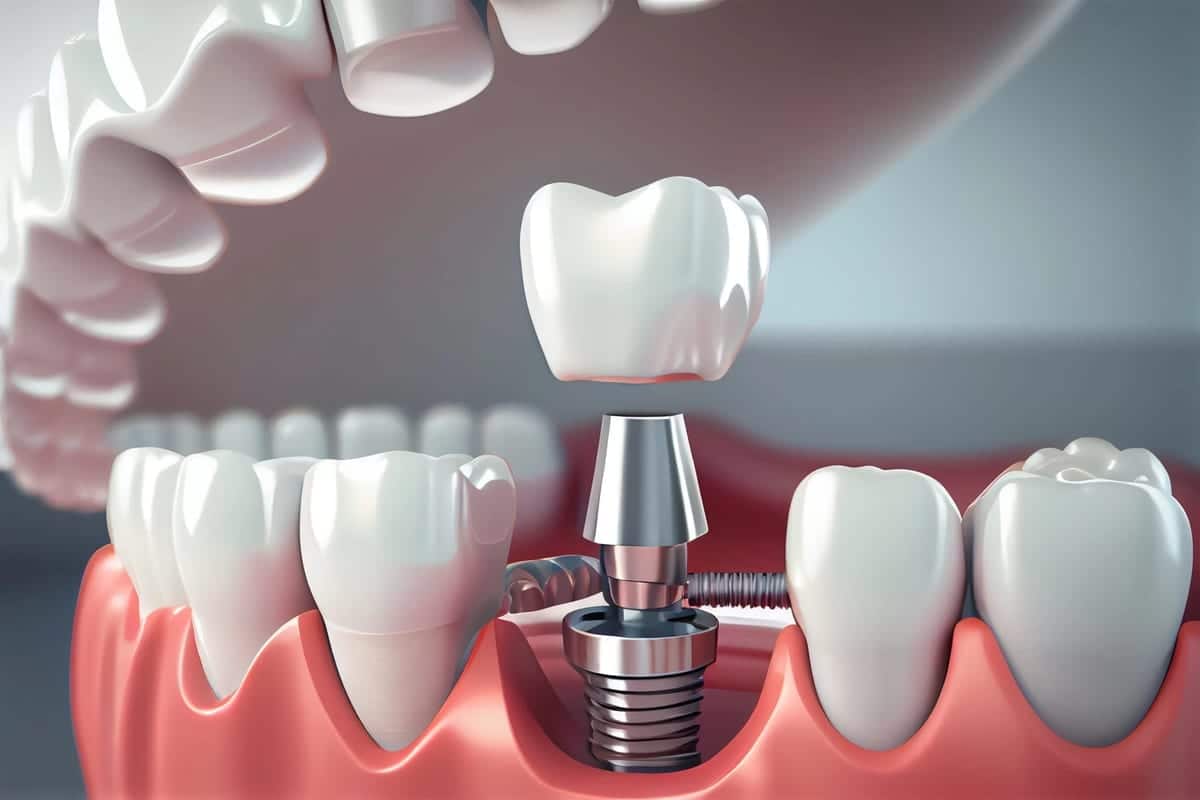
- Months 3–6: Osseointegration occurs — the implant fuses with your jawbone during this phase.
- After 6 months: Your permanent crown or restoration is placed once the implant is fully stable.
Osseointegration is the most critical part of healing. It is the biological process that makes implants so durable and long-lasting. Following Dr. Rejon’s aftercare instructions closely during this phase gives your implant the best chance for success.
What to Eat After Dental Implants — A Cypress Patient’s Diet Guide
Your diet plays a huge role in how smoothly you recover. Eating the wrong foods too soon can disturb the implant site and slow healing. Cypress patients should follow these dietary guidelines carefully in the days and weeks after placement.
During the first week, stick exclusively to soft foods. Think yogurt, mashed potatoes, scrambled eggs, smoothies, and soft fish. Avoid anything crunchy, chewy, or hard during this period. Even a small amount of pressure on the implant site can cause complications early in recovery.
As healing progresses into weeks two and three, you can slowly reintroduce semi-soft foods. Pasta, soft-cooked vegetables, and tender meats are generally fine at this stage. Always chew on the opposite side of the implant site. By week four, most patients can return to a near-normal diet — but listen to your body and check with Dr. Rejon if you are unsure.
- Avoid hot liquids for the first 24–48 hours
- Do not use a straw — suction can disrupt healing tissue
- Stay away from alcohol during the first week
- Avoid tobacco products entirely during the recovery period
- Drink plenty of water to stay hydrated and support healing
Managing Pain and Swelling After Implant Placement
Some discomfort after dental implant surgery is completely normal. Most patients describe it as mild to moderate soreness rather than intense pain. The good news is that managing it effectively is straightforward with the right approach.
Dr. Rejon typically recommends over-the-counter pain relievers like ibuprofen or acetaminophen. These help reduce both pain and inflammation. Always follow the dosage instructions provided at your appointment. Prescription medication may be prescribed in certain cases when additional comfort support is needed.
Ice packs are your best friend during the first 48 hours. Apply an ice pack to your cheek for 20 minutes on and 20 minutes off. This reduces swelling and keeps discomfort manageable. After 48 hours, switch to warm compresses if swelling persists.
Keeping your head elevated — even while sleeping — also helps minimize swelling. Use an extra pillow for the first few nights. Avoid strenuous physical activity for at least three to five days. Exercise raises blood pressure and can increase bleeding at the implant site.
Oral Hygiene and Long-Term Care for Your Implant
Caring for your implant after the procedure protects your entire investment. Good oral hygiene keeps the surrounding gum tissue healthy and prevents implant failure. The steps are simple, but consistency is everything.
For the first 24 hours, avoid rinsing, spitting, or brushing near the implant site. After that, gently rinse with warm salt water two to three times daily. This reduces bacteria and promotes healthy healing without irritating the tissue. Dr. Rejon will provide specific instructions tailored to your case.
Once healing progresses, resume regular brushing and flossing — but be gentle around the implant. Use a soft-bristled toothbrush. Avoid abrasive toothpastes that could scratch the implant surface. If you had a temporary crown placed, take extra care around that area when flossing.
Long-term implant success depends on your daily habits. Brush twice daily, floss once daily, and maintain your regular dental checkups at Fair Lakes Family Dentistry Cypress. Some patients also benefit from Crowns Bridges Cypress services to complement their implant restoration and complete their smile. Routine professional cleanings help keep the tissues around your implant healthy for years to come.
Warning Signs to Watch For During Recovery
Most recoveries go smoothly, but it is important to recognize when something may need attention. Not every complication is serious, but early action always leads to better outcomes. Contact Dr. Rejon’s office right away if you experience any of the following:
- Bleeding that does not stop after applying gentle pressure
- Severe or worsening pain after the third day
- Swelling that increases rather than decreases after day three
- Fever over 101°F
- A loose or shifting implant post
- Numbness that does not resolve within a few days
These symptoms do not always mean something has gone wrong. Sometimes the body just needs a little extra support. But your dental team is always the right first call. Never wait and hope a symptom resolves on its own if it concerns you.
Fair Lakes Family Dentistry Cypress also offers helpful resources like Dental Insurance Cypress information on our website to help patients navigate their financial options before and after treatment. We believe accessible information supports better patient decisions at every stage of care.
Conclusion: Your Path to a Healthy, Lasting Smile Starts Here
Recovering from dental implants in Cypress does not have to feel overwhelming. With the right knowledge, the right diet, and the right dental team behind you, the process is entirely manageable. Dr. Maria A. Rejon and the entire Fair Lakes Family Dentistry Cypress team are committed to supporting you every step of the way — from placement through complete healing.
Follow your recovery guidelines, attend your follow-up appointments, and reach out whenever you have questions. A successful implant starts long before the final crown is placed — it starts with how you care for yourself right after surgery. Your smile is worth every effort you invest in this process.
Ready to take the next step toward a restored smile? Book Now to schedule your appointment with our team.
Frequently Asked Questions
How long does it take to fully recover from dental implants?
Full recovery from dental implants typically takes three to six months. The soft tissue around the implant heals within a few weeks. However, osseointegration — where the implant fuses to the jawbone — takes several months. Dr. Rejon monitors your healing at every follow-up visit to ensure everything is progressing on schedule.
Is it normal to have pain several days after implant surgery?
Mild soreness for three to five days after implant surgery is completely normal. Most discomfort peaks around day two and gradually improves. If your pain is severe, worsening, or does not respond to over-the-counter medication after day three, contact Fair Lakes Family Dentistry Cypress promptly for an evaluation.
Can I brush my teeth after getting dental implants?
Avoid brushing directly at the implant site for the first 24 hours. After that, you can resume gentle brushing around the area using a soft-bristled toothbrush. Be careful not to disturb the surgical site. Dr. Rejon will give you specific instructions at your post-operative appointment to keep the area clean without causing irritation.
What foods should I avoid after dental implant surgery?
During the first week, avoid hard, crunchy, chewy, or sticky foods. These include nuts, chips, raw vegetables, gum, and tough meats. Hot beverages and alcohol should also be avoided early in recovery. Stick to soft, lukewarm foods and gradually reintroduce other textures as your healing progresses and Dr. Rejon gives you clearance.
How do I know if my dental implant is failing?
Signs of implant failure include persistent pain beyond the normal recovery window, swelling that worsens instead of improving, a loose or mobile implant, and difficulty chewing. Gum recession around the implant site can also be a warning sign. If you notice any of these symptoms, contact our Cypress office as soon as possible for an assessment.