Same-day treatments are available.


Is a Dental Bridge Right for Your Missing Teeth
By Fair Lakes Family Dentistry Cypress
Losing a tooth can affect your confidence, your bite, and your long-term oral health. If you are wondering is a dental bridge right for your missing teeth in Cypress, you are not alone. Many patients visit Fair Lakes Family Dentistry Cypress asking this exact question. Dr. Maria A. Rejon evaluates each patient individually to determine the best path forward.
A dental bridge is a fixed restoration that replaces one or more missing teeth. It uses the healthy teeth on either side of the gap as anchors. Understanding whether you are a good candidate takes more than a quick glance. It requires a thorough clinical evaluation and an honest conversation about your goals.
What Is a Dental Bridge and How Does It Work in Cypress?
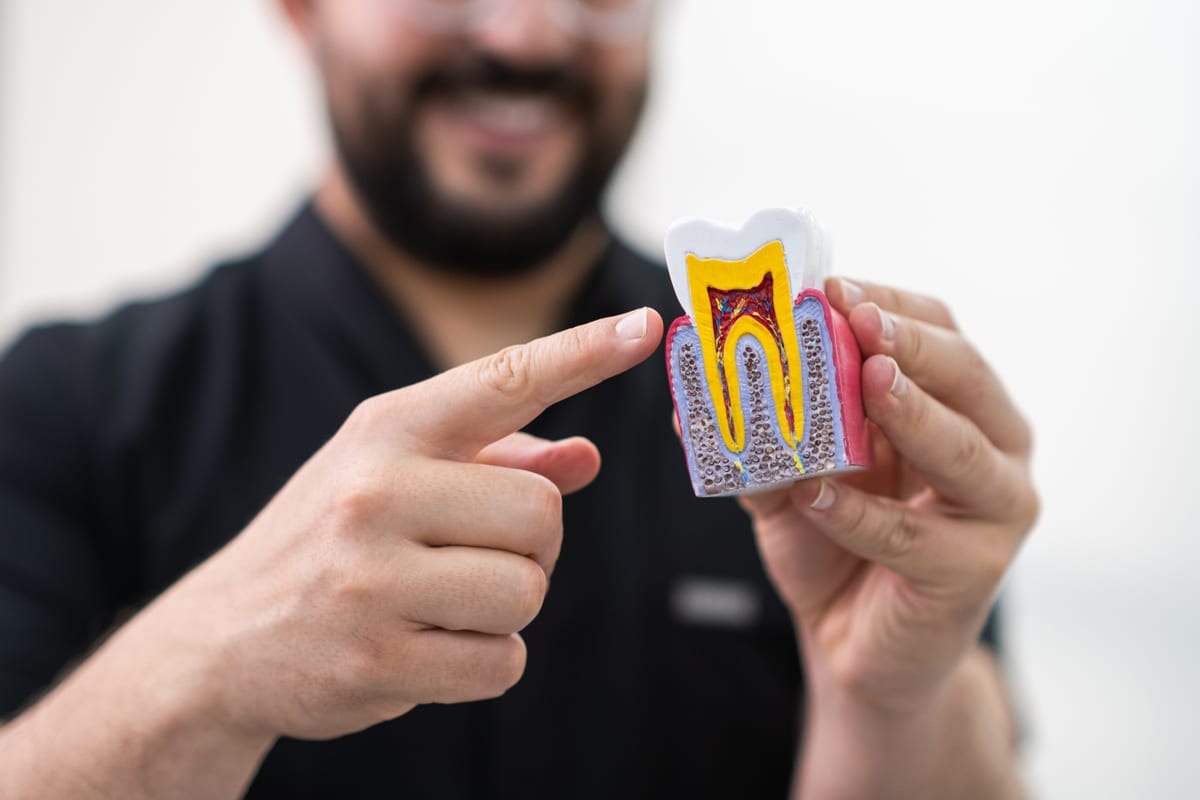
A dental bridge literally bridges the gap left by a missing tooth. Two crowns are placed on the natural teeth on each side of the space. These crowned teeth are called abutments. An artificial tooth, called a pontic, sits between them and fills the gap.
The result is a seamless, fixed restoration that looks and functions like your natural teeth. Bridges are cemented permanently in place. You do not remove them for cleaning like dentures. Most patients adapt to their bridge quickly and comfortably.
Bridges are crafted from porcelain, zirconia, or a combination of materials. Dr. Rejon selects the material that best matches your natural tooth color and bite needs. The goal is always a restoration that blends naturally with your smile.
Who Is a Good Candidate for a Dental Bridge?
Determining if a dental bridge is right for your missing teeth in Cypress starts with understanding your unique oral health situation. Not every patient is an ideal candidate. Dr. Rejon looks at several key factors during your evaluation.
You are likely a strong candidate if you meet these criteria:
- You are missing one or a few consecutive teeth in the same area
- Your surrounding teeth are healthy and strong enough to support crowns
- Your gums are free from active periodontal disease
- You have adequate bone density in the jaw beneath the gap
- You are committed to proper oral hygiene and regular dental visits
Patients with significant gum disease or severely weakened adjacent teeth may need treatment before a bridge is placed. In some cases, another restoration may be a better fit. Dr. Rejon will always recommend the option that protects your long-term health.
What Does the Evaluation for a Dental Bridge Involve?
Your candidacy evaluation at Fair Lakes Family Dentistry Cypress is thorough and personalized. Dr. Rejon begins with a comprehensive oral exam. She checks the health of your gums, surrounding teeth, and jawbone. Digital X-rays give her a detailed view beneath the surface.
The evaluation typically covers these steps:
- Medical and dental history review — understanding your overall health and any prior dental work
- Periodontal assessment — checking for gum disease or bone loss that could compromise the bridge
- Adjacent tooth evaluation — confirming the abutment teeth are strong enough to anchor the restoration
- Bite analysis — assessing how your teeth come together to ensure the bridge will function properly
- Digital imaging — X-rays or 3D scans to evaluate bone structure and root health
Dr. Rejon also discusses your aesthetic goals and lifestyle. She wants to understand what matters most to you. This information shapes the treatment plan she recommends.
Dental Bridge vs. Other Options: Finding the Right Fit
A dental bridge is one of several solutions for missing teeth. Comparing your options helps you make an informed decision. Two of the most common alternatives are Dental Implants Cypress and removable partial dentures. Each has its own advantages depending on your situation.
Dental implants replace the tooth root and do not require altering adjacent teeth. They are often the gold standard for single-tooth replacement. However, they require adequate bone volume and a longer treatment timeline. Bridges can be an excellent solution when implants are not suitable.
Partial dentures are removable and typically less expensive upfront. However, they may feel less stable and require daily removal for cleaning. A bridge offers a fixed, stable alternative that many patients prefer for daily comfort.
Patients who have questions about Dental Insurance Cypress coverage and financial planning are encouraged to ask our team. We want to help you understand all aspects of your care before moving forward.
Factors That Influence Whether a Bridge Is the Best Approach
Several clinical and personal factors help determine the best treatment approach for your smile. Dr. Rejon weighs all of these carefully before making a recommendation. There is no one-size-fits-all answer when it comes to replacing missing teeth.
Key factors that influence the decision include:
- Number of missing teeth — Bridges work best for one to three consecutive missing teeth
- Location of the gap — Front teeth and back teeth have different functional demands
- Health of adjacent teeth — Abutment teeth must be structurally sound before crowns are placed
- Gum and bone health — Active disease must be treated before any restoration is placed
- Patient age and lifestyle — Younger patients may benefit more from implants for long-term durability
- Budget and timeline preferences — Bridges are often completed in fewer visits than implants
Dr. Rejon takes time to explain every option clearly. She answers your questions without rushing you. Her goal is to help you feel confident in the decision you make together.
What to Expect During Bridge Placement at Fair Lakes Family Dentistry Cypress
If Dr. Rejon determines you are a good candidate, the bridge process typically takes two to three appointments. During your first visit, she prepares the abutment teeth and takes detailed impressions. A temporary bridge protects your teeth while the permanent restoration is crafted.
At your second appointment, Dr. Rejon places and adjusts the permanent bridge. She checks your bite carefully and ensures the fit is precise. Minor adjustments may be made to guarantee comfort and function. Most patients leave the office feeling great about their new smile.
Caring for your bridge is straightforward. Brush twice daily and use floss threaders or a water flosser to clean beneath the pontic. Regular check-ups at Fair Lakes Family Dentistry Cypress keep your bridge and surrounding teeth healthy for years to come.
Take the Next Step Toward a Complete Smile
Missing teeth do not have to hold you back. A dental bridge could be the solution that restores your smile and your confidence. Dr. Maria A. Rejon and the team at Fair Lakes Family Dentistry Cypress are here to guide you through every step of the process. Book Now to schedule your appointment with our team.
Frequently Asked Questions
How long does a dental bridge last?
With proper care and regular dental visits, a dental bridge can last 10 to 15 years or longer. The longevity depends on oral hygiene habits, bite forces, and the health of the supporting teeth. Dr. Rejon will advise you on how to maximize your bridge’s lifespan.
Does getting a dental bridge hurt?
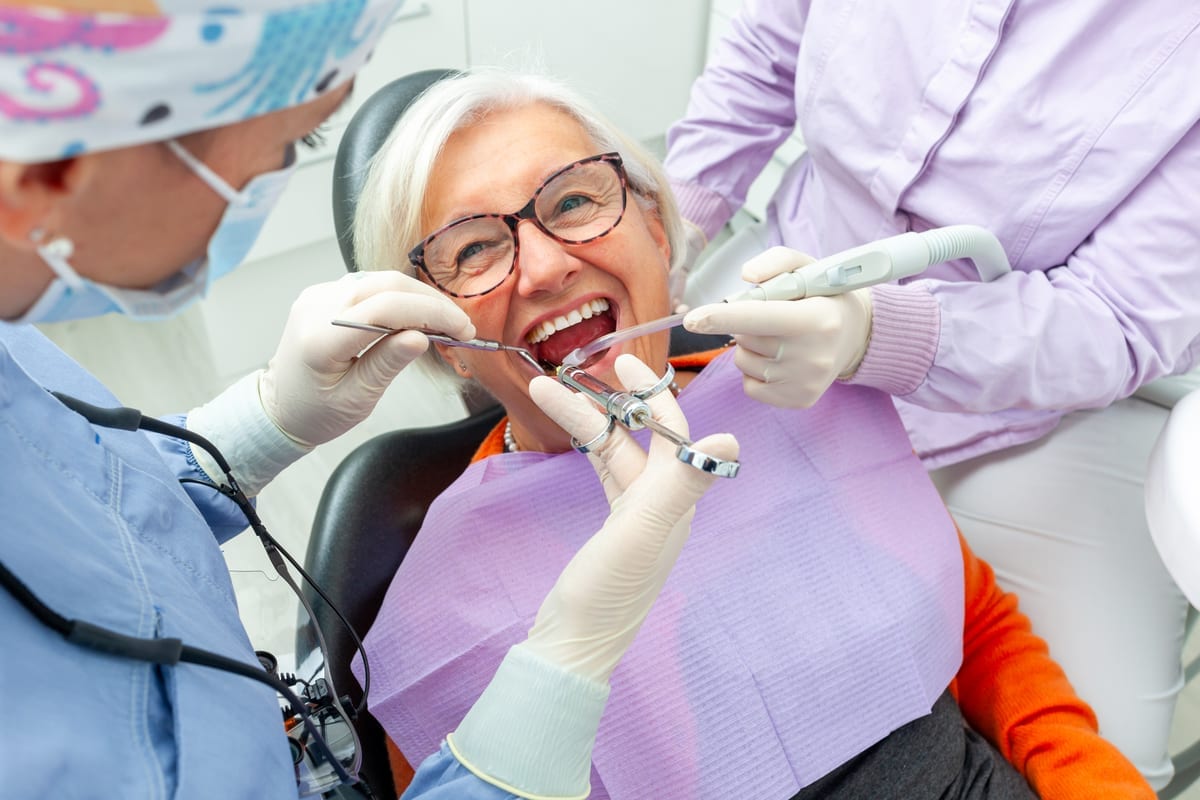
The bridge procedure is performed under local anesthesia, so you should feel little to no discomfort during treatment. Some sensitivity is normal after the appointment as the anesthesia wears off. Most patients manage this easily with over-the-counter relief and find it subsides within a few days.
Can a dental bridge be placed on the same day?
Traditional dental bridges typically require two appointments spaced a couple of weeks apart. The first visit involves tooth preparation and impressions, and the second involves placing the permanent bridge. Some practices offer same-day options with advanced technology, and Dr. Rejon can discuss what is available for your specific case.
What happens to the teeth on either side of the gap?
The teeth adjacent to the gap, called abutment teeth, are reshaped slightly to accommodate the crowns that anchor the bridge. This is a permanent change, which is why evaluating the health of these teeth beforehand is so important. Dr. Rejon only recommends this approach when the abutment teeth are strong and healthy enough to support the restoration.
Is a dental bridge a good choice if I have gum disease?
Active gum disease must be treated and stabilized before a dental bridge can be placed. Placing a bridge over unhealthy gum tissue can compromise the long-term success of the restoration. Dr. Rejon will assess your gum health during your evaluation and recommend any necessary treatment before proceeding.