Same-day treatments are available.


Your Cosmetic Smile Results: How Long They Actually Last

By Fair Lakes Family Dentistry Cypress
If you’ve invested in your smile, you want to know how long those results will hold up. Your cosmetic smile results and how long they actually last in Cypress depend on several factors — the treatment you choose, your daily habits, and how consistently you follow up with your dentist. Understanding longevity before you commit helps you set realistic expectations and protect your investment. At Fair Lakes Family Dentistry Cypress, Dr. Maria A. Rejon walks every patient through exactly what to expect from their chosen treatment.
How Long Each Cosmetic Treatment Actually Lasts
Different cosmetic procedures deliver different lifespans. There’s no single answer that covers every treatment equally. Knowing the general range for each option helps you plan ahead and budget wisely.
Here’s a quick breakdown of typical longevity by treatment type:
- Veneers: Porcelain veneers typically last 10–20 years with proper care. Composite veneers have a shorter lifespan of 5–7 years on average.
- Dental Crowns: Most crowns last 10–15 years, though well-maintained crowns can exceed that range.
- Dental Bridges: Bridges generally last 10–15 years before needing replacement or repair.
- Invisalign: The alignment results can last a lifetime if you wear your retainer consistently after treatment ends.
- Teeth Whitening: Professional whitening results typically last 6 months to 2 years depending on diet and lifestyle habits.
- Dental Implants Cypress: Dental Implants Cypress are the longest-lasting option, often lasting 25+ years or even a lifetime with good oral hygiene.
These ranges are averages, not guarantees. Your individual results may vary based on factors discussed throughout this article.
Patient Habits That Most Affect Cosmetic Durability in Cypress
Your daily behavior plays a bigger role in longevity than most patients realize. Even the highest-quality restoration can fail prematurely without good maintenance habits. Dr. Rejon consistently emphasizes that the patient is an active partner in protecting their results.
The habits that most commonly shorten cosmetic results include:
- Grinding or clenching teeth (bruxism) — this wears down veneers and crowns rapidly
- Skipping regular dental cleanings and checkups
- Consuming staining foods and drinks like coffee, red wine, and dark berries frequently
- Using tobacco products in any form
- Chewing on hard objects like ice, pens, or fingernails
- Neglecting to wear a retainer after Invisalign treatment
Conversely, patients who brush twice daily, floss regularly, and visit their dentist every six months consistently see results at the higher end of these lifespan ranges. Small daily choices add up significantly over time.
How Veneers and Crowns Hold Up Over the Years
Veneers and crowns are two of the most popular cosmetic solutions at Fair Lakes Family Dentistry Cypress. Both are durable, but they respond differently to wear and lifestyle. Understanding their specific vulnerabilities helps you protect them more effectively.
Porcelain veneers are resistant to staining but can chip under pressure. Patients who grind their teeth often benefit from a custom nightguard to protect their veneers while sleeping. Without that protection, veneers can fracture years earlier than expected.
Dental crowns are designed to withstand more force than veneers. However, the margin where the crown meets the natural tooth is vulnerable to decay if oral hygiene slips. Regular cleanings help catch any issues at that margin before they escalate into larger problems.
Both restorations require the same core commitment — brush gently with a non-abrasive toothpaste, floss daily, and see your dentist for routine care. That simple routine can meaningfully extend how long your results last.
Why Dental Implants Offer the Best Long-Term Value
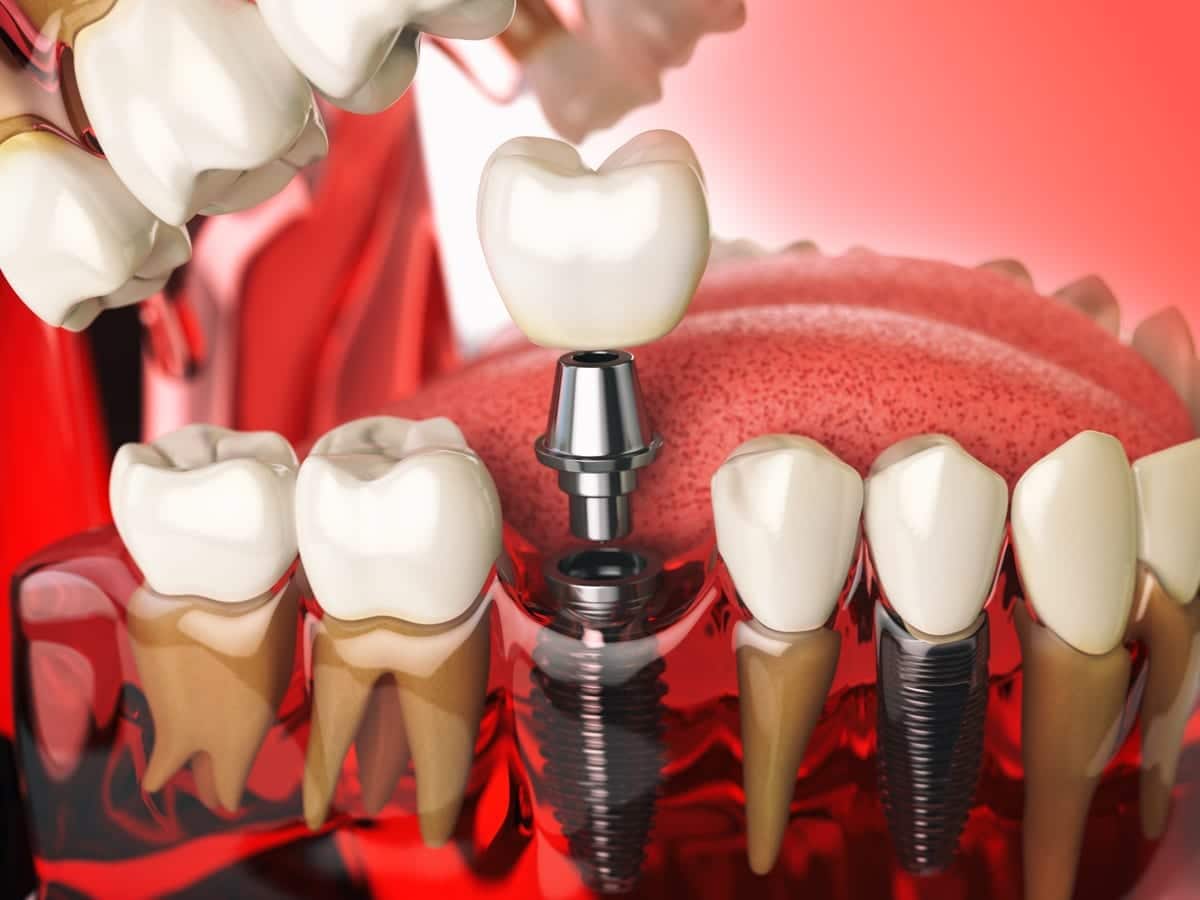
When patients in Cypress ask about permanent cosmetic solutions, dental implants consistently come up as the gold standard. Unlike veneers or bridges, implants replace the entire tooth structure — including the root. That makes them exceptionally stable and durable over decades.
The implant post fuses directly to the jawbone in a process called osseointegration. This creates a foundation that doesn’t rely on neighboring teeth for support. Bridges, by comparison, require crowning the adjacent teeth and may need replacement after 10–15 years.
Implants do require adequate bone density and healthy gums to succeed. Patients with managed gum disease or sufficient bone structure are typically excellent candidates. Dr. Rejon evaluates each patient individually to determine the right path forward.
With consistent hygiene and routine dental visits, many patients keep their implants for life. That long-term value makes them a compelling option even when the upfront cost feels significant. You can also explore Dental Insurance Cypress options to understand how your plan may support treatment costs.
How Invisalign Results Stay Permanent — Or Don’t
Invisalign straightens teeth effectively and discreetly. But the alignment itself is not self-sustaining after treatment ends. Teeth have a natural tendency to shift back toward their original positions over time.
The retainer is what locks in your results. Most patients wear a retainer nightly for life after completing Invisalign treatment. Skipping retainer use — even for a few weeks — can lead to noticeable shifting, especially in the front teeth.
Dr. Rejon provides every Invisalign patient with clear guidance on retainer use after treatment. Following that guidance is the single most important thing you can do to preserve your straight smile for decades. The alignment work is done — your job is simply to protect it.
Scheduling Regular Visits to Maintain Your Results in Cypress
No cosmetic result is fully self-maintaining. Every treatment benefits from professional monitoring at regular intervals. Your dentist can catch early signs of wear, decay, or shifting before they become costly repairs.
Fair Lakes Family Dentistry Cypress recommends checkups every six months for most cosmetic patients. Some patients with higher risk factors — like bruxism or gum disease history — may benefit from more frequent visits. Dr. Rejon tailors the recall schedule to each patient’s specific situation.
Professional cleanings also remove buildup that home brushing can’t fully address. That keeps the margins of crowns and veneers clean and reduces the risk of decay. Consistent professional care is the most reliable way to maximize the lifespan of any cosmetic restoration.
Conclusion: Protect What You’ve Built
Your cosmetic smile results and how long they actually last in Cypress come down to two things — the quality of your treatment and the consistency of your care. Dr. Maria A. Rejon at Fair Lakes Family Dentistry Cypress combines clinical excellence with patient education so you get the most from every procedure. Whether you’ve had veneers, implants, Invisalign, or crowns, the right habits and regular professional support make all the difference. Book Now to schedule your appointment with our team.
Frequently Asked Questions
How long do porcelain veneers typically last?
Porcelain veneers generally last between 10 and 20 years. Their lifespan depends heavily on daily habits like avoiding hard foods, wearing a nightguard if you grind your teeth, and keeping up with professional cleanings every six months.
Do dental implants really last a lifetime?
Many dental implants do last 25 or more years — and in some cases, a full lifetime. The implant post itself is very durable, but the crown attached to it may need replacement after 10–15 years depending on wear. Good oral hygiene dramatically extends overall implant longevity.
Will my teeth shift after Invisalign treatment?
Yes, teeth can shift after Invisalign if you don’t wear your retainer consistently. Retainer use — typically every night — is essential for preserving alignment results long-term. Dr. Rejon provides detailed retainer instructions to every Invisalign patient at Fair Lakes Family Dentistry Cypress.
What habits most damage cosmetic dental work?
Teeth grinding, skipping dental checkups, frequent consumption of staining beverages, and tobacco use are the most common habits that shorten the lifespan of cosmetic restorations. Addressing these habits early can add years to your results.
How often should I visit the dentist after cosmetic treatment?
Most cosmetic patients benefit from checkups every six months. Patients with specific risk factors like bruxism or a history of gum disease may need more frequent visits. Dr. Rejon customizes each patient’s recall schedule based on their individual dental health profile.